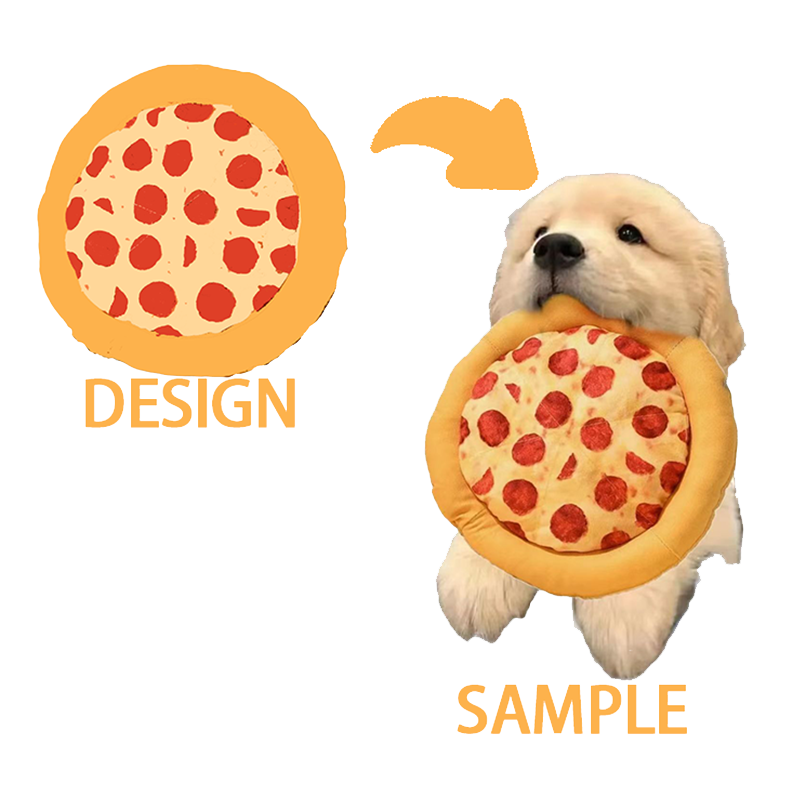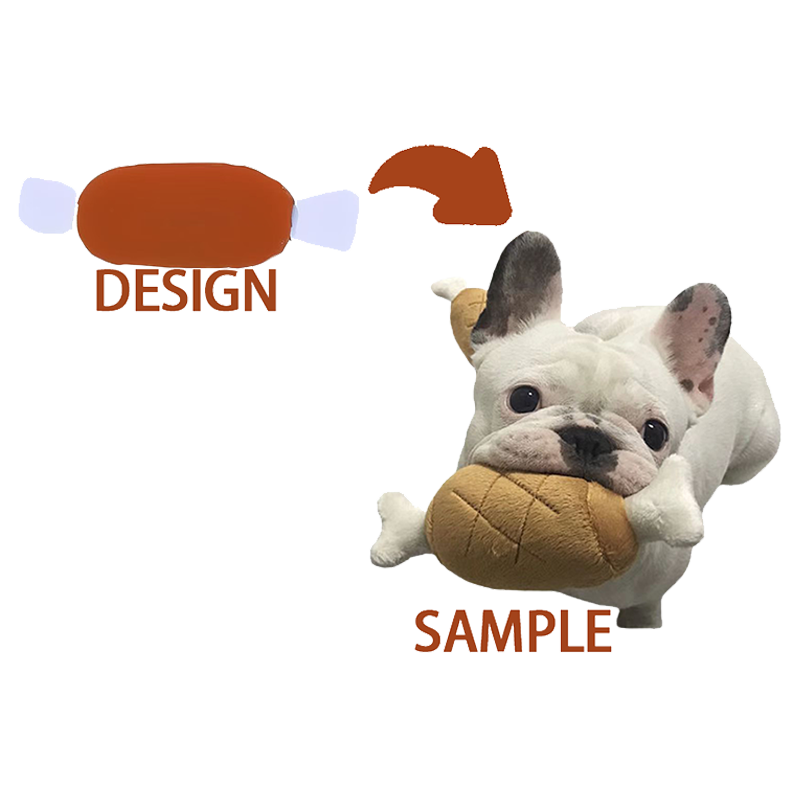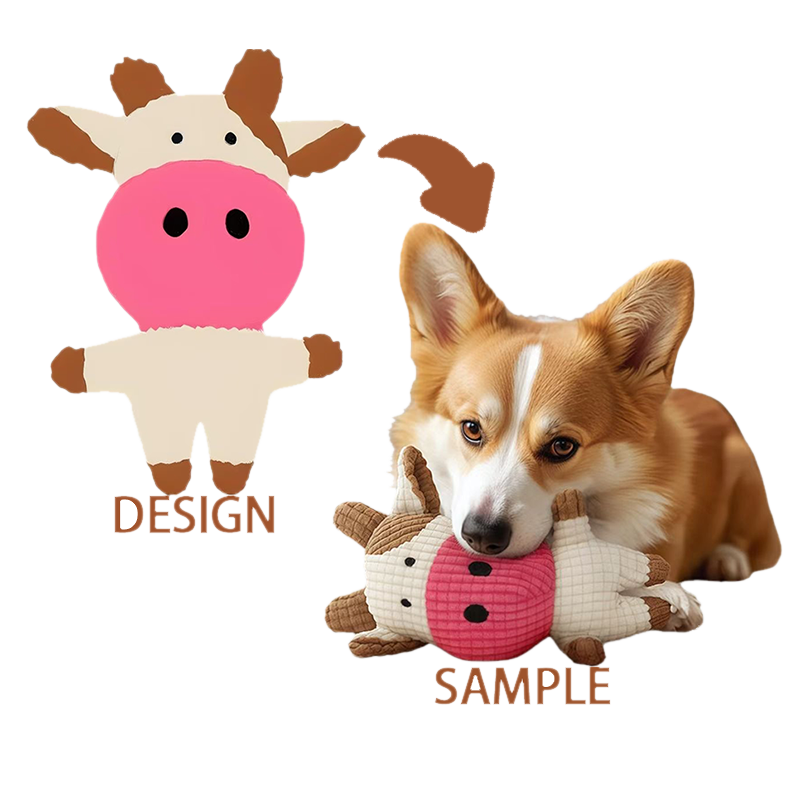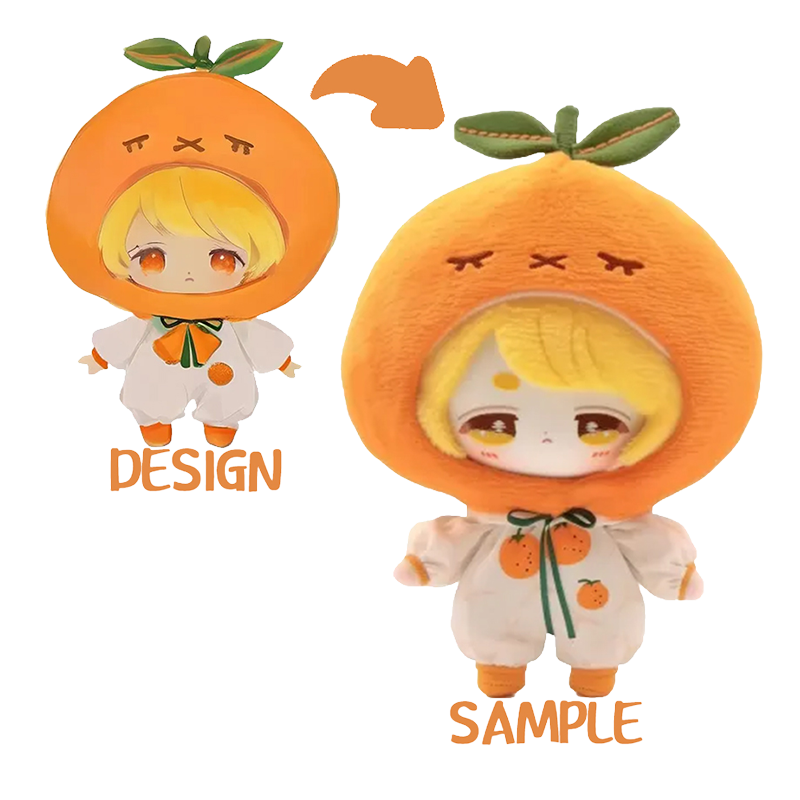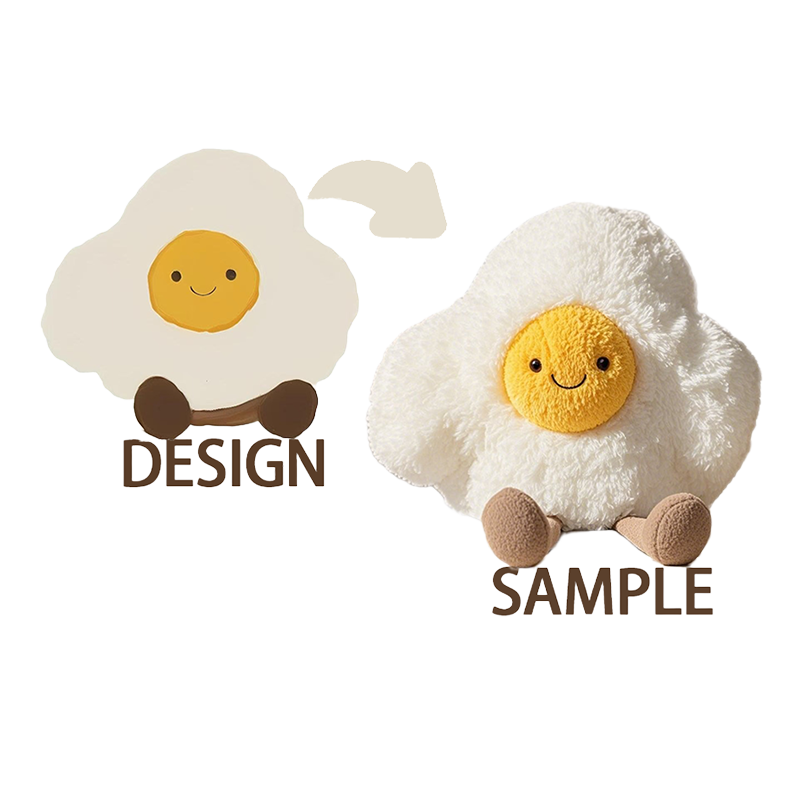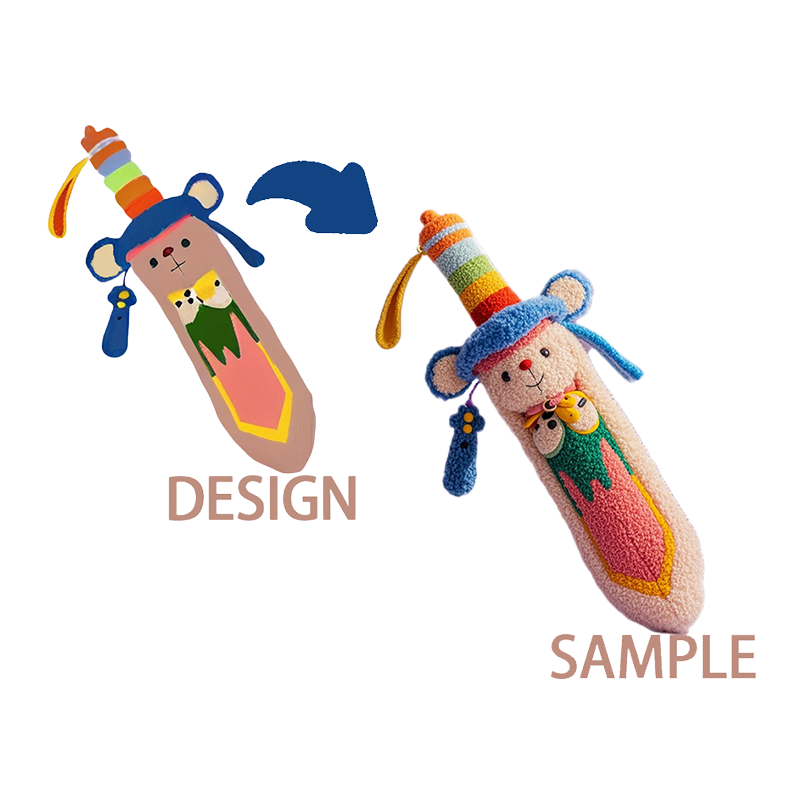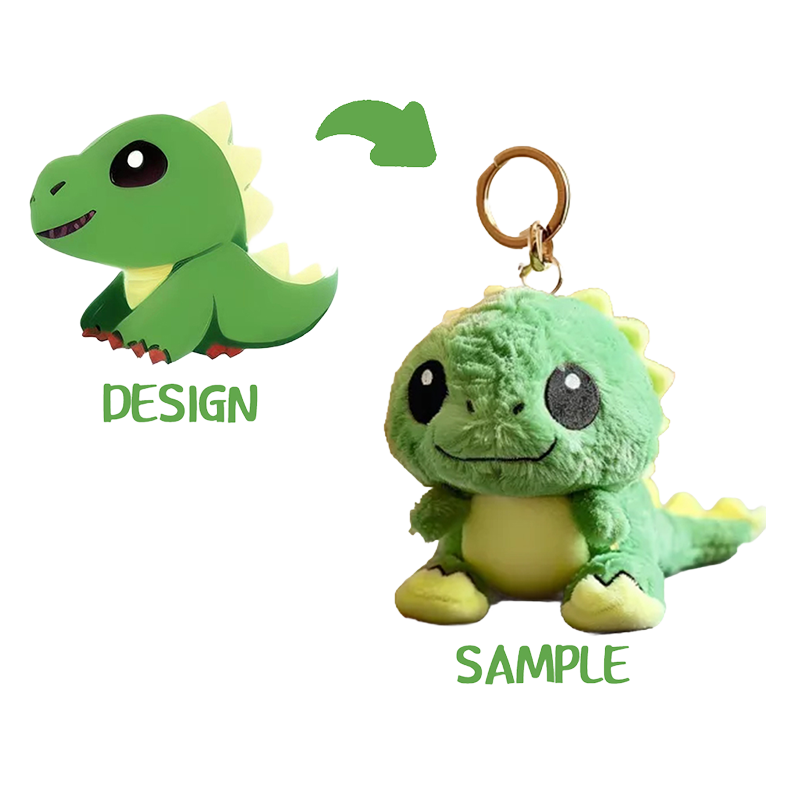
How to Make a Custom Plush Doll?
2026-07-02
What Are Custom Plush Dolls and How They Are Made
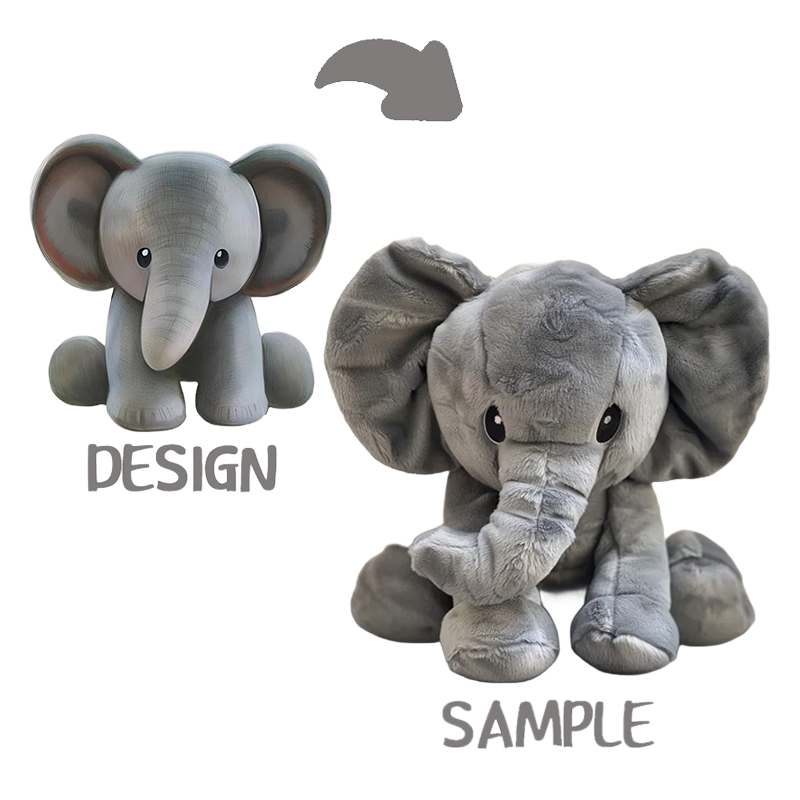
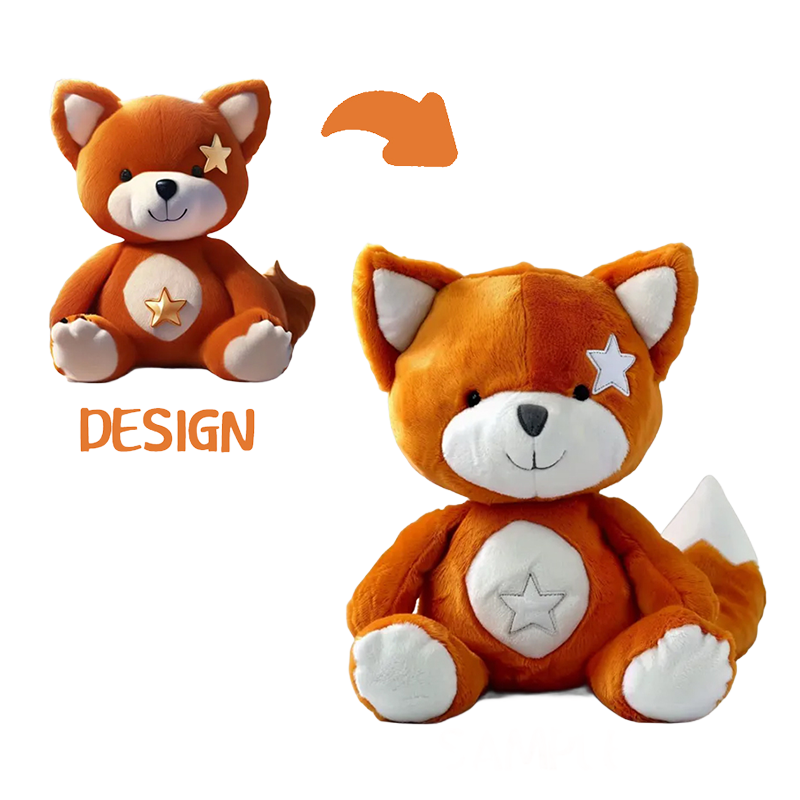
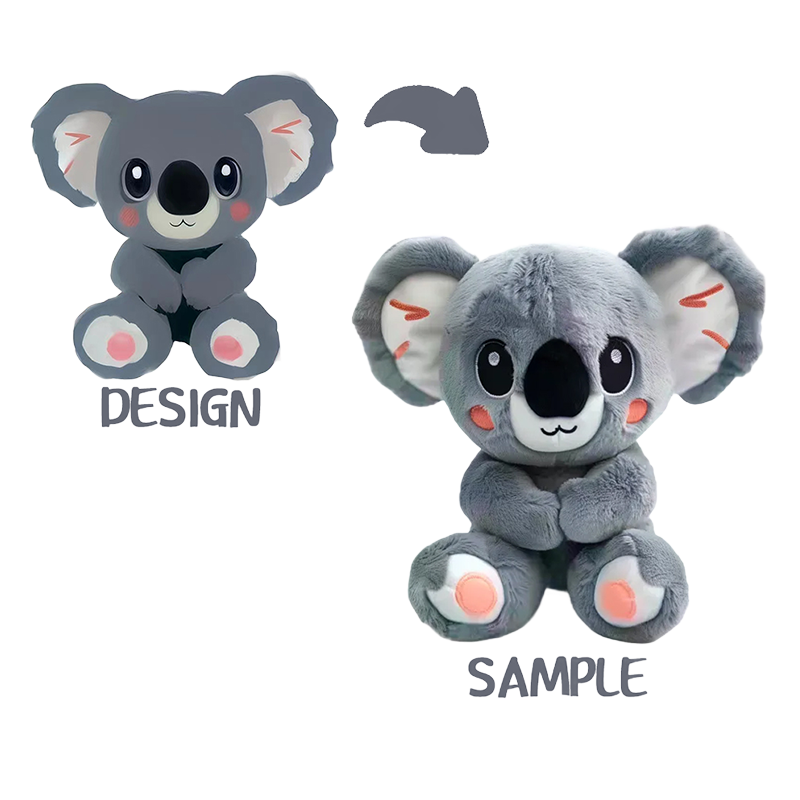
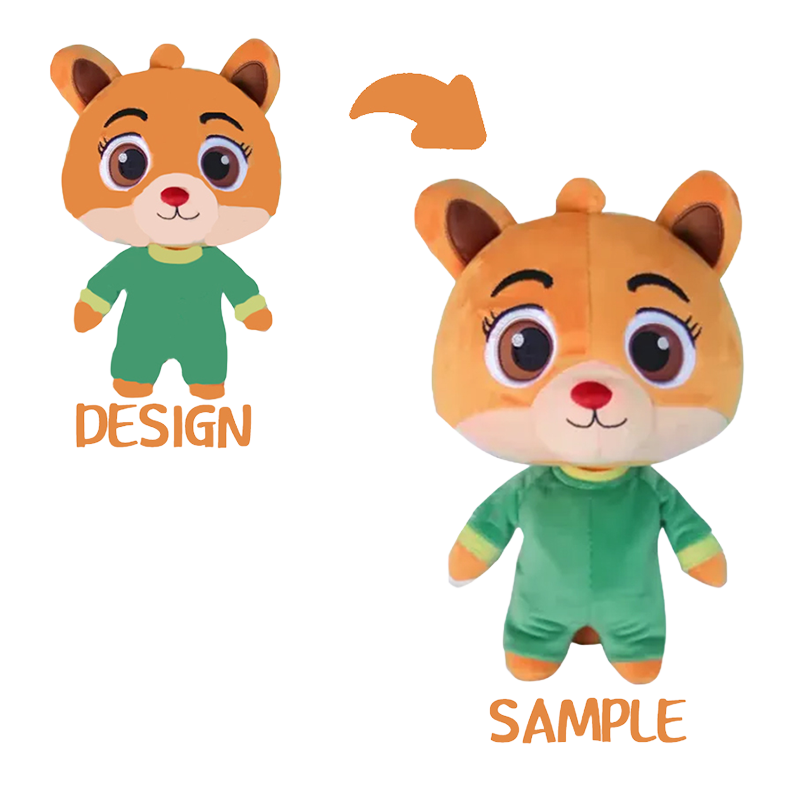
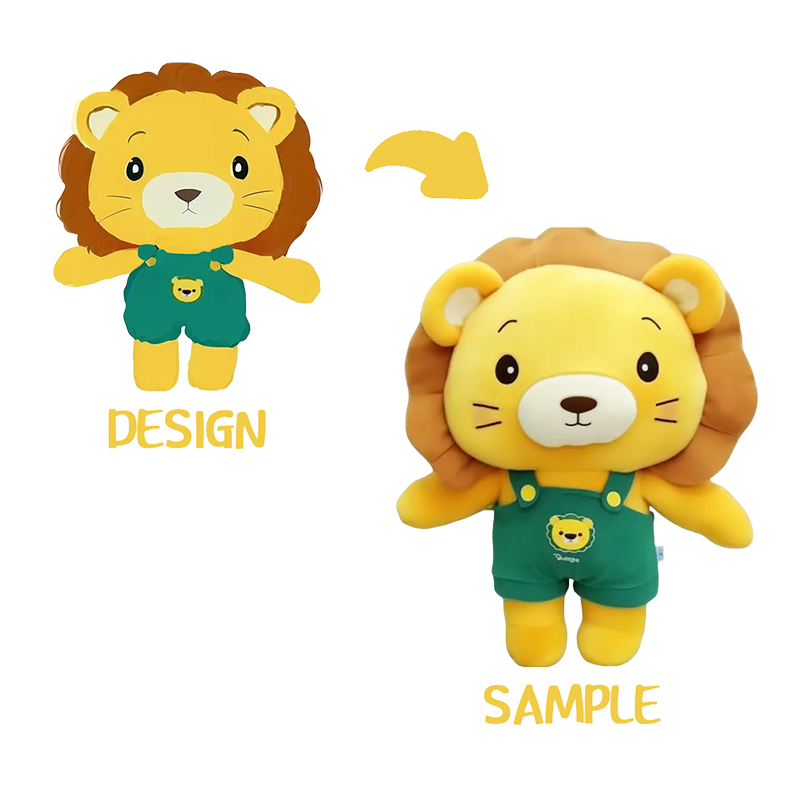
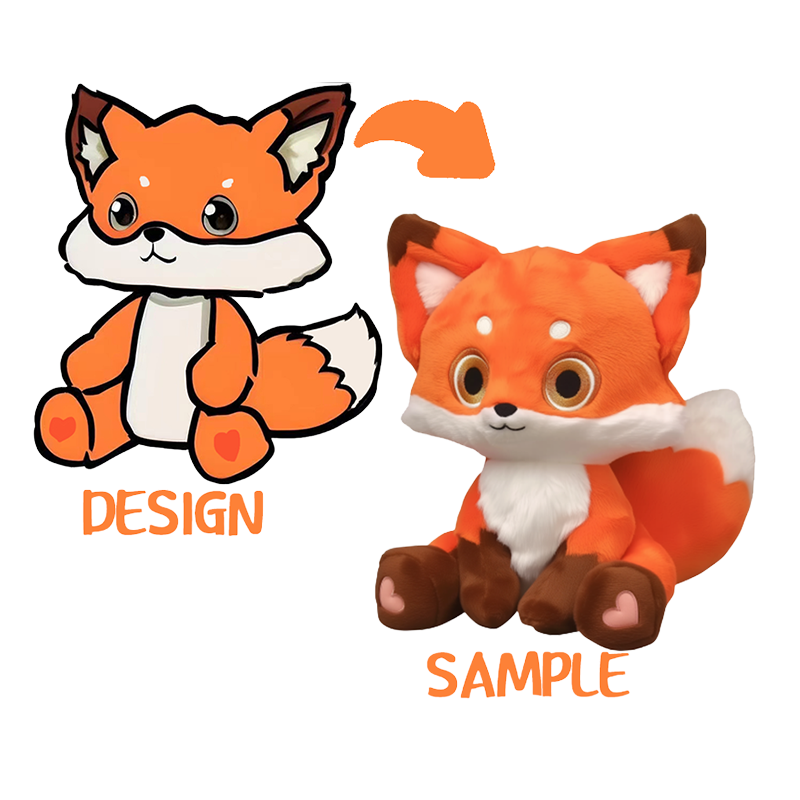
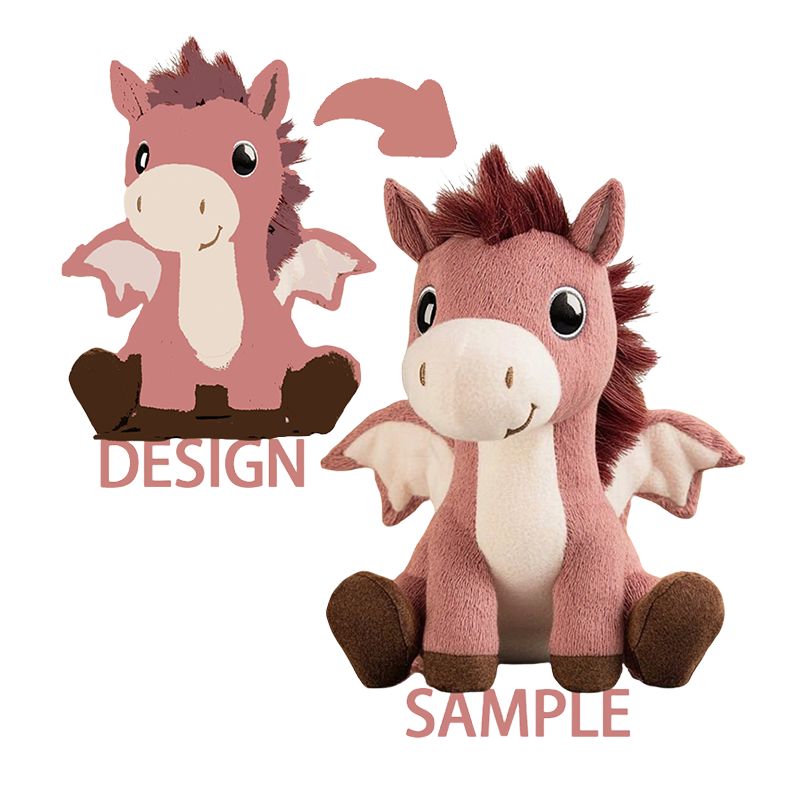
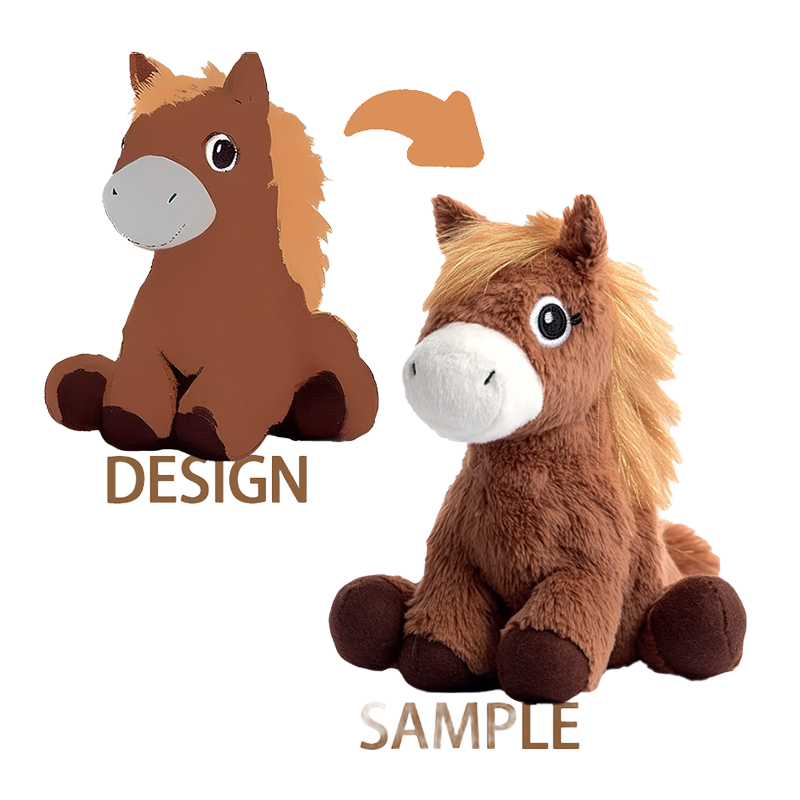
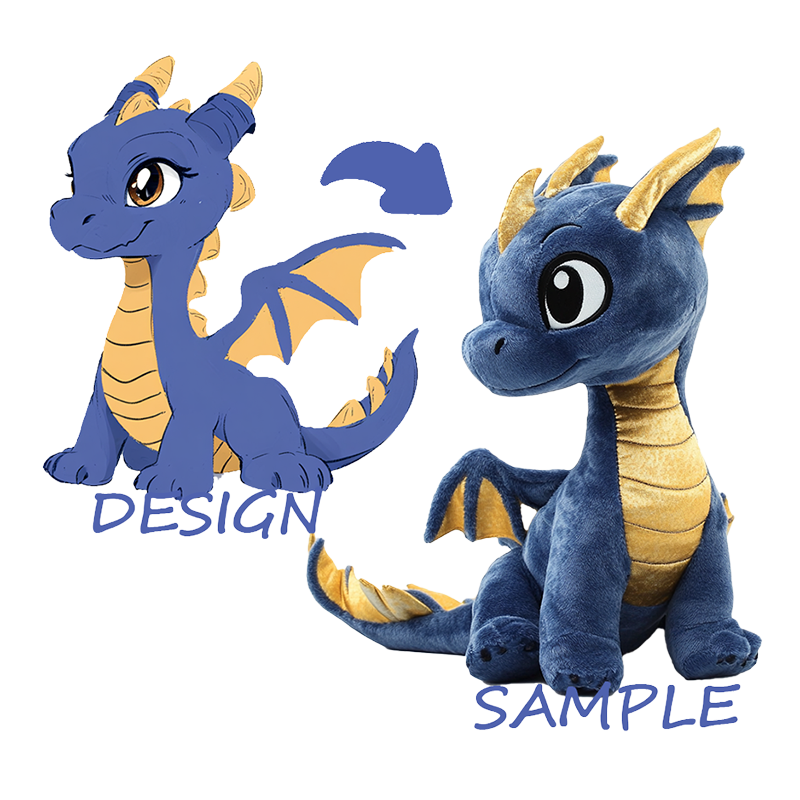
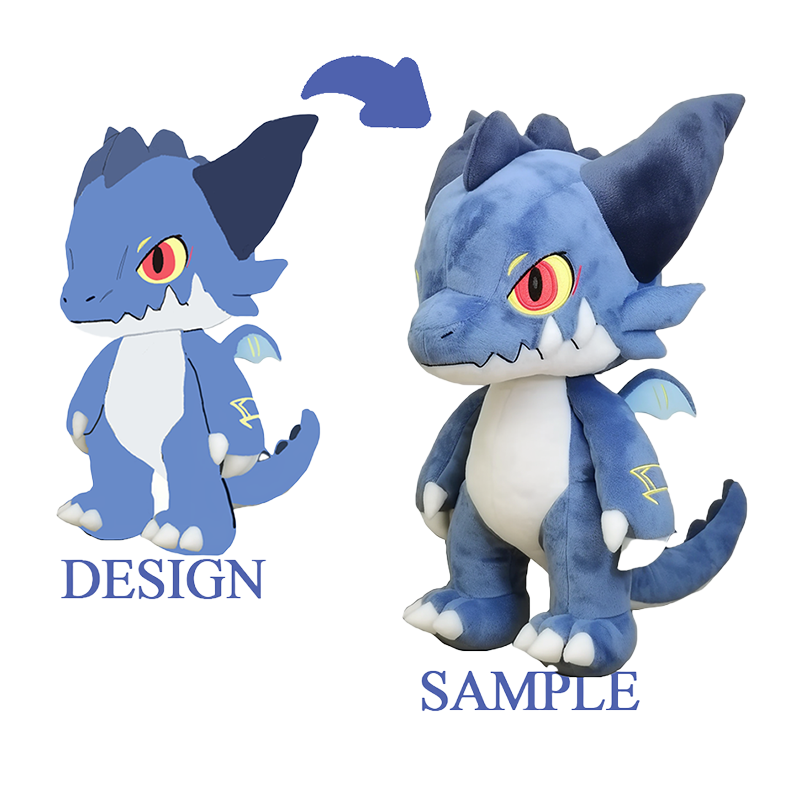
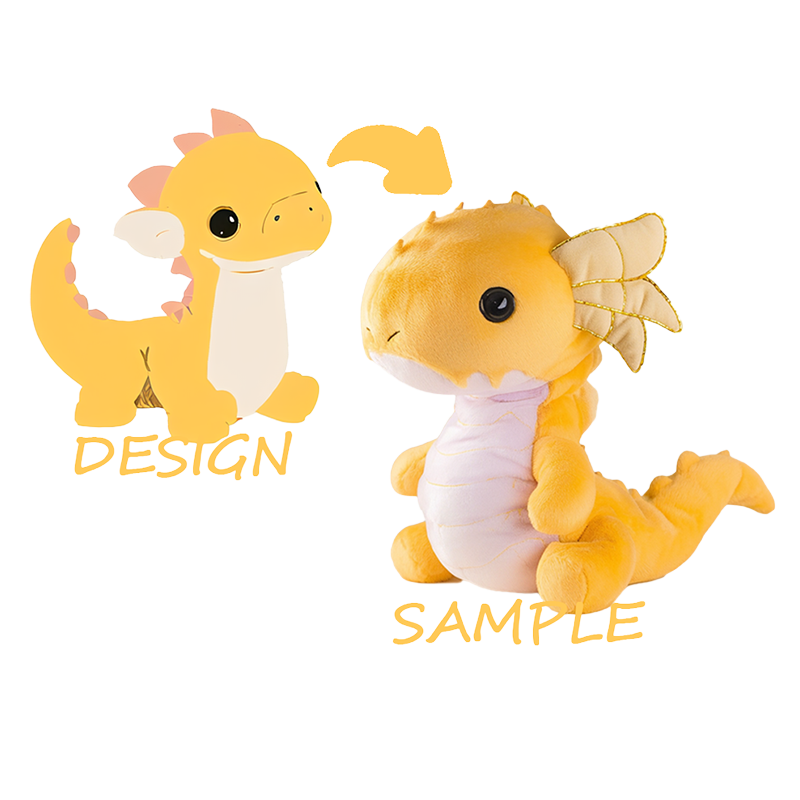
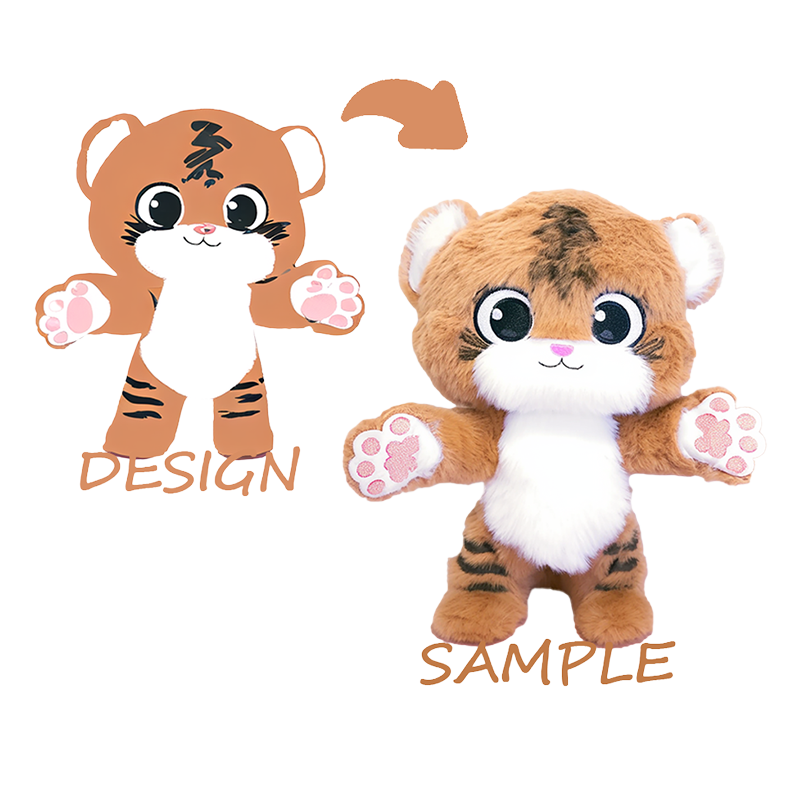
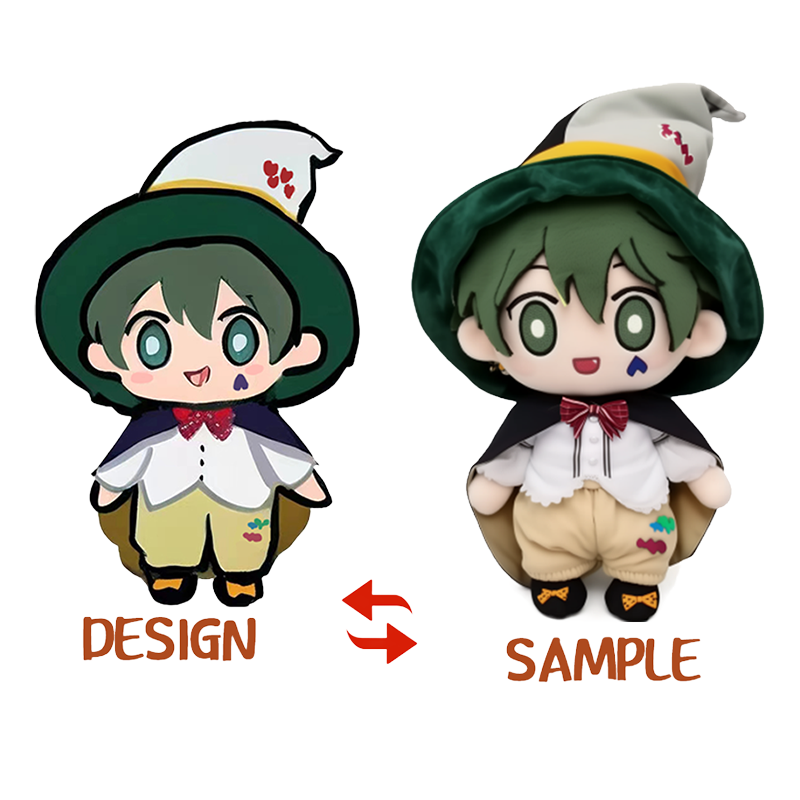
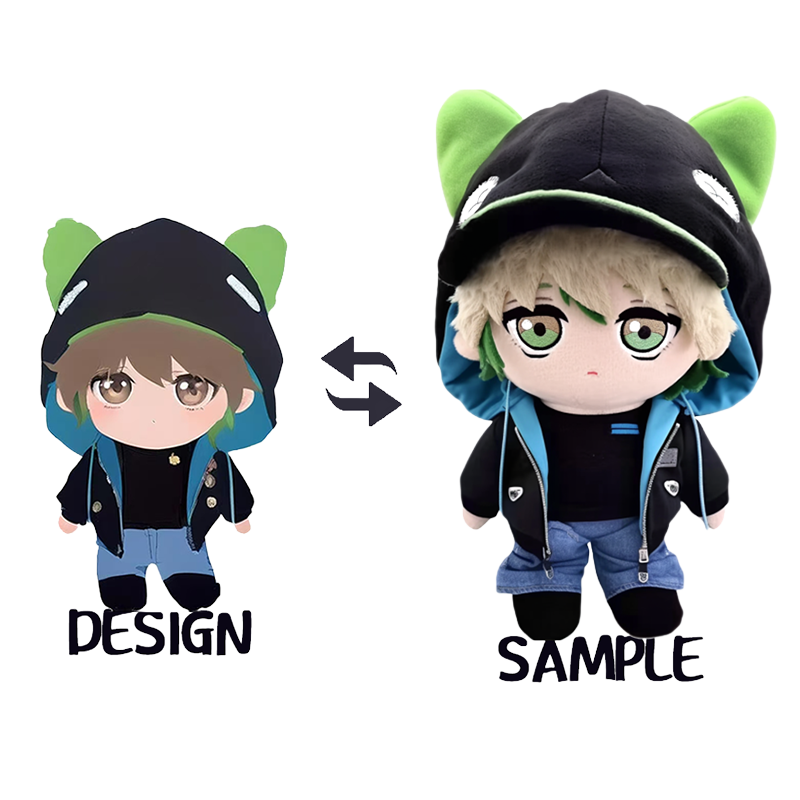
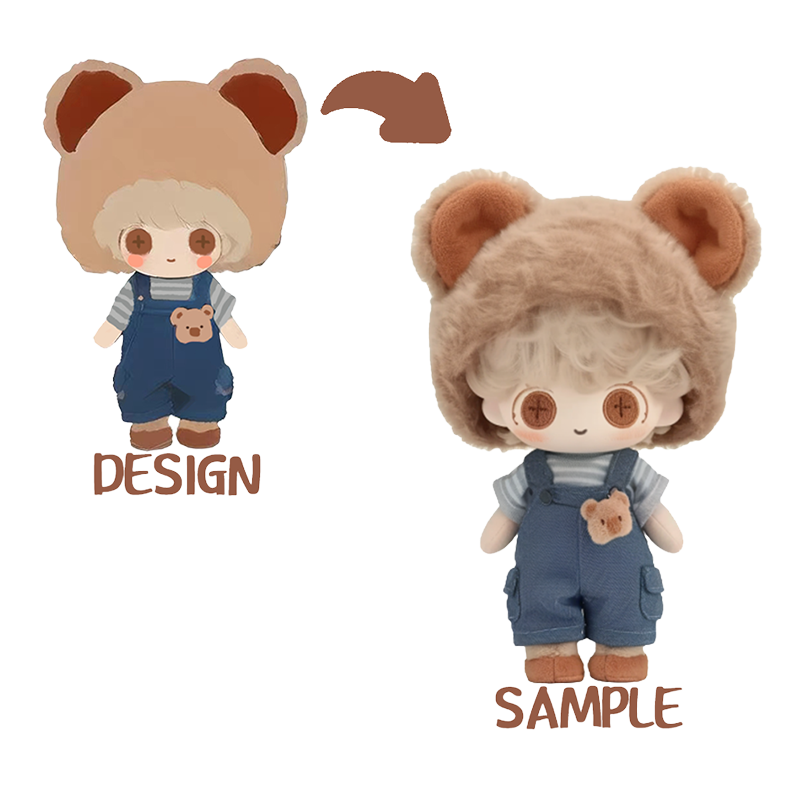
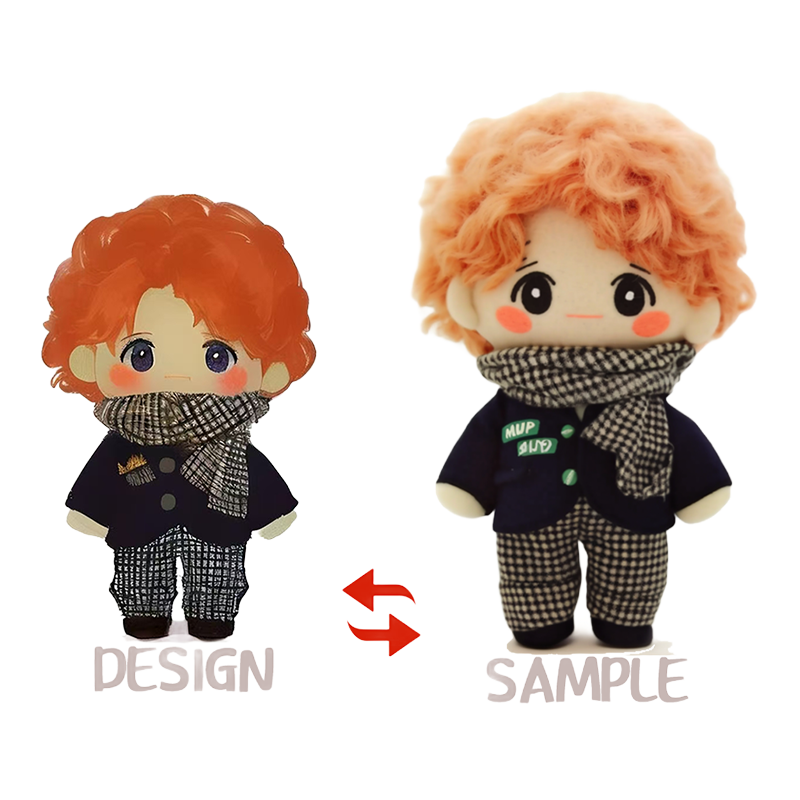
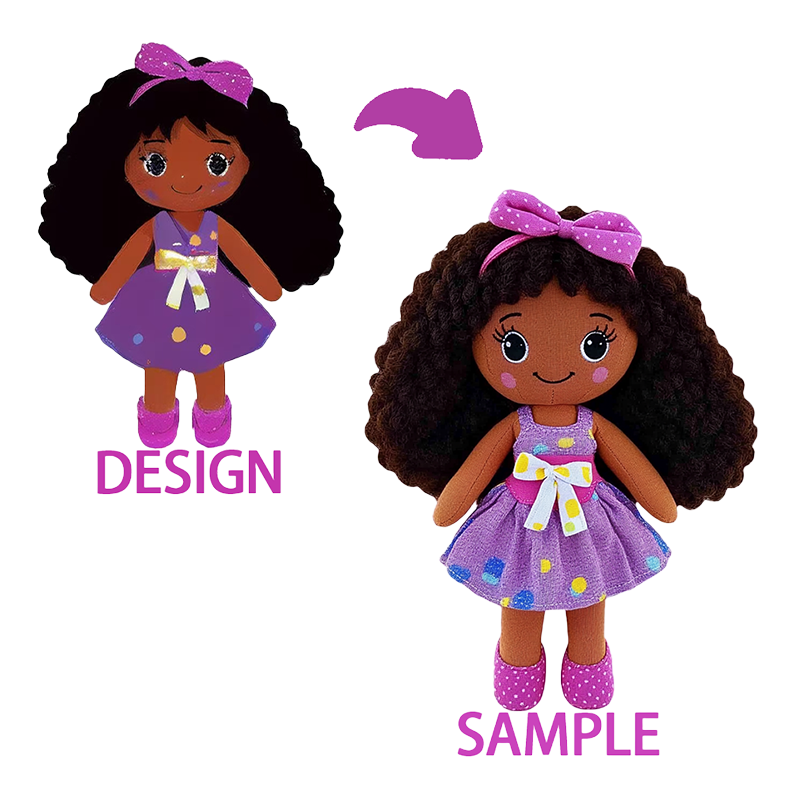
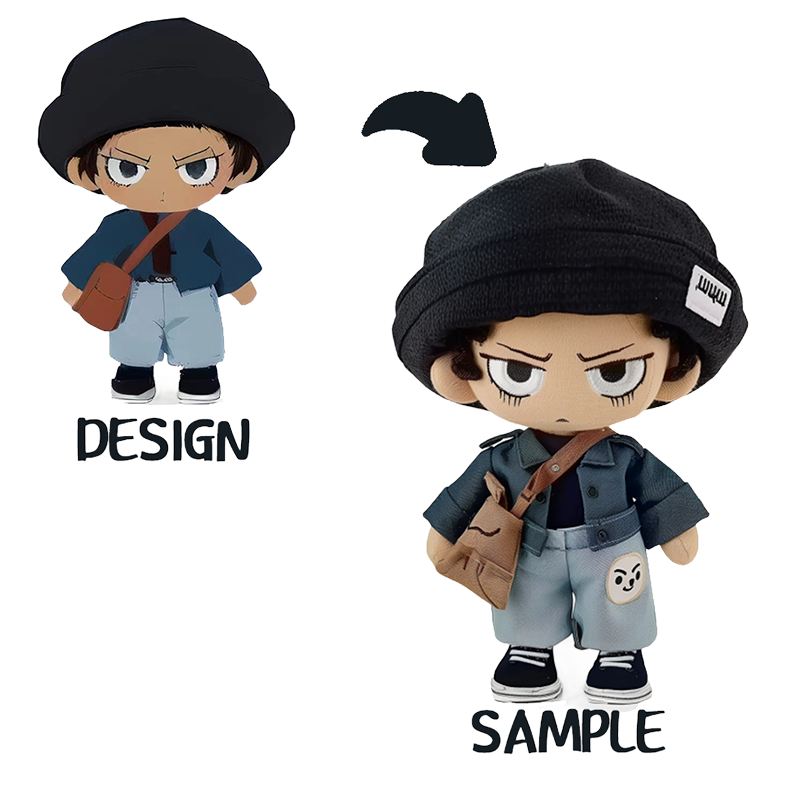
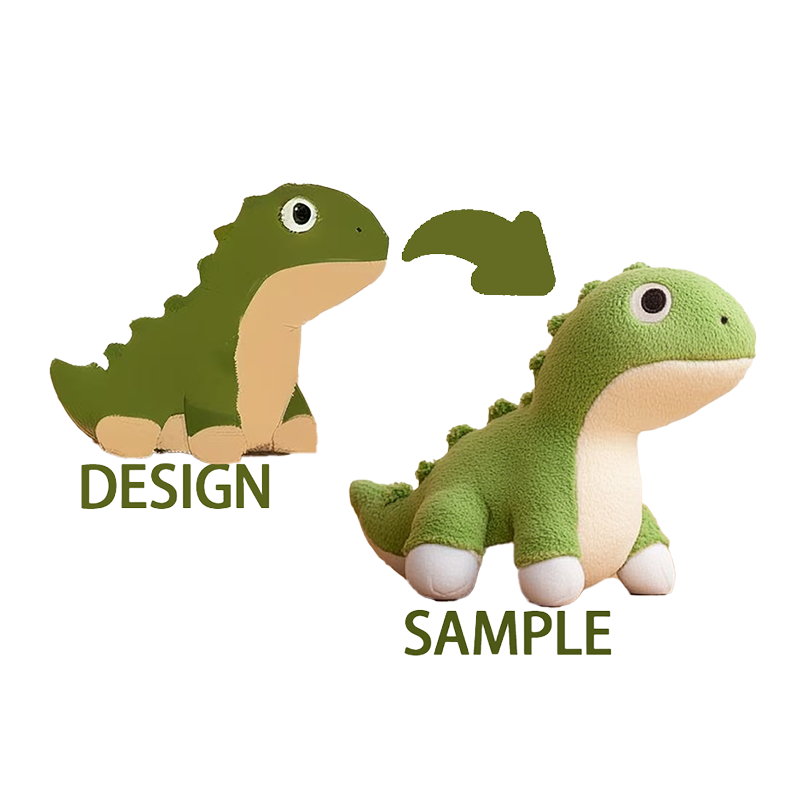
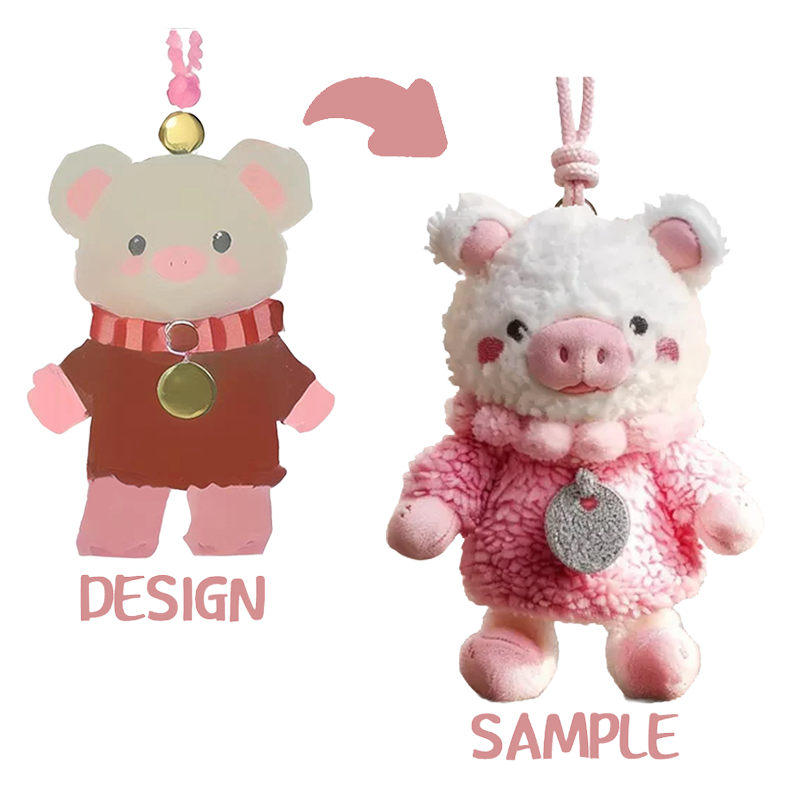
A custom plush doll is a soft toy manufactured to a client's specific design, whether that design starts as artwork, a photo, a mascot concept, or an existing character sketch. The direct answer to how a custom plush doll is made is that the process moves through five core stages: design development, pattern making, material sourcing, sewing and stuffing, and final quality inspection, typically taking several weeks from confirmed design to finished sample.
Unlike mass-produced generic plush toys, custom plush dolls with logo branding or custom anime plush dolls based on original character art require a dedicated pattern development step, since standard templates rarely match a unique design's proportions, color placement, or facial features accurately.
The Custom Plush Doll Production Process Step by Step
Understanding each production stage helps buyers set realistic expectations and provide the right materials upfront, which generally shortens overall development time.
- Design review: the manufacturer evaluates submitted artwork, photos, or sketches for feasibility in plush form.
- 2D digital rendering: designers translate the concept into a flat digital reference showing proportions and color blocking.
- Pattern making: technical patterns are drafted to define each fabric panel needed to construct the 3D shape.
- Prototype sampling: a first physical sample is sewn and stuffed to test proportions, texture, and stability.
- Sample revision: feedback is applied to adjust shape, color matching, or stuffing firmness before approval.
- Bulk production: once the sample is approved, fabric cutting, sewing, and stuffing scale up for the full order.
- Quality inspection and packaging: finished dolls are checked for stitching integrity, safety compliance, and packaging accuracy.
This bar chart illustrates a general time allocation pattern across the custom plush doll production stages, based on common manufacturing workflow proportions. Bulk sewing typically consumes the largest share of total production time because stitching, stuffing, and assembly scale directly with order quantity, unlike design and pattern development which require roughly the same effort regardless of volume. Sampling also occupies a meaningful portion of the timeline, reflecting the back-and-forth revision process needed to match color, proportion, and texture to the original concept. Design and quality control stages are comparatively shorter but remain essential checkpoints that directly affect the accuracy and consistency of the final product.
Materials Used in Custom Plush Doll Manufacturing
Material choice affects texture, durability, and how well the finished plush doll captures fine design details. The right combination depends on the character design, intended use, and target market.
| Material | Characteristics | Common Use |
|---|---|---|
| Minky Fabric | Extremely soft, smooth surface | Premium plush dolls and character faces |
| Short Pile Plush | Fine texture, holds detail well | Anime-style and detailed character plush |
| Long Pile Plush | Fluffy, soft texture | Traditional stuffed animals |
| PP Cotton Filling | Lightweight, hypoallergenic, washable | Standard internal stuffing material |
| Embroidered Details | Durable, safe alternative to printed features | Facial features and logo embellishment |
Short pile plush fabric is generally preferred for custom mascot plush and anime-style designs because its finer texture holds sharp color transitions and detailed shapes more accurately than longer pile fabric. PP cotton filling remains the standard stuffing choice across most plush categories due to its consistent softness, washability, and compliance with common toy safety requirements.
Turning Artwork or a Photo Into a Plush Doll
Yes, a plush doll can be made from either a drawing or a photo, though each source type requires a slightly different design translation process before production begins.
The darker shape represents plush dolls developed from original artwork, while the lighter shape represents plush dolls developed from a photo reference. Artwork-based designs generally score higher in design translation ease and sample speed because illustrated characters already use simplified shapes and flat color areas that map naturally onto fabric panels. Photo-based designs, such as portraits of pets or people, require more proportion simplification since a designer must reinterpret realistic detail into a soft, three-dimensional plush form, which is why detail preservation scores slightly lower for this category. Color accuracy tends to favor artwork sources as well, since flat illustrated colors match fabric swatches more predictably than the lighting variation found in most photographs.
Customization Options for Business and Personal Orders
Custom plush production supports a wide range of personalization options, whether the order is a single personalized keepsake or a wholesale run intended for retail or promotional distribution.
- Custom plush dolls with logo embroidery for brand mascots and promotional giveaways.
- Custom plush dolls from artwork for original characters, illustrations, or game assets.
- Custom plush dolls from photo for pet portraits or personalized keepsake gifts.
- Custom anime plush dolls matching specific character proportions and expressions.
- Custom mascot plush for sports teams, schools, and organizational branding.
- Personalized plush dolls with added accessories, outfits, or embroidered names.
This horizontal bar chart reflects a general distribution of custom plush order categories seen across manufacturing clients. Wholesale and bulk orders represent the largest share, reflecting steady demand from retailers, brands, and distributors sourcing custom plush dolls wholesale for resale or promotional distribution. Business logo plush and anime character plush together make up a substantial portion as well, showing how both corporate branding needs and fan-driven character merchandise consistently drive custom production demand. Personal keepsake orders remain a smaller but meaningful segment, typically involving single-unit or small-batch photo-based designs rather than large production runs.
Choosing a Reliable Plush Toy Manufacturer
Selecting the right production partner matters as much as the design itself, since sample quality, communication, and consistency across bulk production all depend on the manufacturer's process maturity.
| Evaluation Area | What to Ask |
|---|---|
| Design Capability | In-house pattern makers versus outsourced design work |
| Sample Process | Number of revision rounds included before bulk approval |
| Material Options | Range of fabric, filling, and embellishment choices available |
| Quality Assurance | Inspection process and safety compliance documentation |
| Export Experience | Track record shipping to your target market or region |
Buyers comparing an OEM plush toy supplier against a China plush toy manufacturer for private label plush toys should prioritize factories that manage design, pattern making, and production under one coordinated process, since this typically reduces miscommunication between the approved sample and the final bulk shipment. Requesting sample photos or videos from a custom plush factory's previous projects is one of the most reliable ways to evaluate real production capability before committing to a full order.
Frequently Asked Questions
Q1: What are custom plush dolls?
They are soft toys manufactured to a specific design, created from original artwork, a photo, a mascot concept, or a character sketch.
Q2: What materials are used?
Common materials include minky and short pile plush fabric, PP cotton filling, and embroidered detailing for facial features and logos.
Q3: Can I customize my own plush?
Yes, most manufacturers support full customization of shape, fabric, color, size, and embellishments based on your design concept.
Q4: Can I make one from a drawing?
Yes, artwork or a sketch can be translated into a pattern and sewn into a finished plush doll through the standard design process.
Q5: Can a plush doll be made from a photo?
Yes, photos of pets or people can be adapted into plush form, though proportions are typically simplified to suit a soft toy design.
Q6: How long does custom plush production take?
Timelines vary by design complexity and order volume, generally spanning design, sampling, revision, and bulk production stages.
Work With Kusibei for Your Custom Plush Project
Kusibei is a plush toy manufacturer specializing in the design and production of custom plush toys, offering comprehensive customization services that cover every stage of plush toy manufacturing. The production lines integrate advanced manufacturing technology, structured assembly line management, and thorough quality assurance policies to support consistent output across both small custom runs and large wholesale orders.
Serving clients across more than ten countries, including the United States, the United Kingdom, and Canada, Kusibei works closely with partners to translate original ideas into finished plush products that meet market expectations for quality and consistency. For buyers evaluating a plush doll factory, a soft toy supplier, or a stuffed toy OEM partnership for private label plush toys, sharing design references, target material preferences, and order volume early in the process supports a more accurate production plan from initial sample through final plush toy export.
Vi er specialiserede i design og produktion af plys legetøj for at give kunderne unikke tilpassede tjenester